
First time Home Buyer Guide 2026: Buying Property in Gurgaon
Buying your first home isn’t just a purchaseit’s one of the most important financial decisions you’ll make in your lifetime.
Yet, every year thousands of buyers rush into the market driven by emotions, social pressure, or fear of missing out, only to realize later that they overlooked critical factors such as location growth, future infrastructure, financing costs, and resale potential.
If you’re planning to buy your first home in 2026, especially in high-growth markets like Gurgaon, this guide will help you navigate the process with confidence. We’ll cover everything from budgeting and home loan planning to choosing the right location, understanding Gurgaon market trends, avoiding common mistakes, and identifying properties that can create long-term wealth rather than becoming financial burdens.
Let’s dive into what every first-time homebuyer should know before signing on the dotted line.
The Indian residential real estate market has entered a new phase of growth. Unlike previous cycles driven largely by speculation, today’s demand is being fueled by genuine end-users, rising incomes, infrastructure development, and growing aspirations for better lifestyles.
In Gurgaon, infrastructure corridors such as Dwarka Expressway, Southern Peripheral Road (SPR), and New Gurgaon have significantly transformed buyer preferences. Improved connectivity, corporate expansion, and premium residential developments continue to attract both investors and end-users. Many experts believe infrastructure-led growth will remain a major driver of property appreciation over the next few years.
For first-time buyers, this creates an opportunity to enter the market before future infrastructure and commercial development become fully priced into property values.
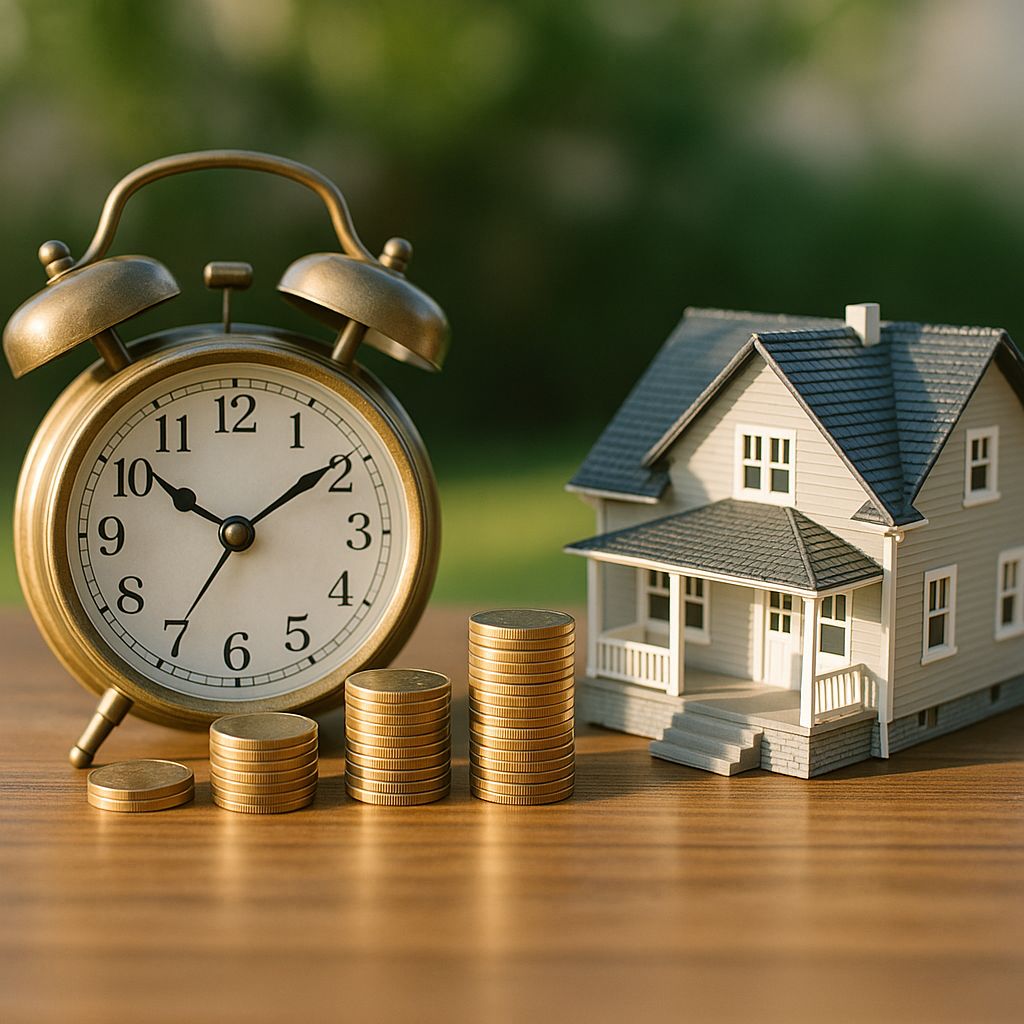

Step 1: Define Your Purpose Before Choosing a Property
One of the biggest mistakes first-time buyers make is searching for properties before defining their objectives. The right property for an investor may be completely different from the right property for an end-user.
Ask yourself whether you’re buying primarily for self-use, rental income, wealth creation, or a combination of all three. A family-focused buyer may prioritize schools, healthcare facilities, and community living, while an investor may focus more on future infrastructure and appreciation potential.
Having clarity at the beginning helps eliminate unnecessary options and prevents emotional decision-making later in the process.
Step 2: Understand Your Real Budget, Not Just Your Loan Eligibility
Banks may approve a larger loan than what is financially comfortable for you. This is why affordability should be calculated based on lifestyle sustainability rather than maximum eligibility.
Apart from the property’s base price, buyers must account for registration charges, GST (where applicable), maintenance deposits, parking charges, interiors, furnishings, and moving expenses. These additional costs can substantially increase the total acquisition cost.
A practical approach is to ensure that monthly housing expenses leave sufficient room for savings, emergency funds, investments, and lifestyle goals.
Step 3: Choose Location Over Amenities
A luxury clubhouse can be built in a year. A prime location cannot.
Many first-time buyers get distracted by attractive marketing brochures and overlook the importance of location fundamentals. Factors such as connectivity, employment hubs, social infrastructure, upcoming metro connectivity, and future government projects often determine long-term appreciation.
In Gurgaon, locations around Dwarka Expressway, New Gurgaon, Golf Course Extension Road, and SPR continue to witness strong buyer interest due to expanding infrastructure and improved accessibility. These corridors have emerged as some of the city’s most closely watched residential markets.
When evaluating any project, ask yourself whether the location will be more desirable five years from today than it is now.
Step 4: Research the Developer Thoroughly
Your home-buying experience depends as much on the developer as it does on the property itself.
Before investing, evaluate the builder’s delivery history, construction quality, financial strength, customer reviews, and track record of completing projects on time. A lower price often becomes expensive if delays, legal issues, or quality concerns arise later.
Established developers generally command a premium because buyers place value on certainty and trust. For a first-time buyer, reducing execution risk is often worth paying a slightly higher price.
Step 5: Understand the Difference Between Ready and Under-Construction Properties
Many first-time buyers struggle with this decision.
Ready-to-move homes provide immediate possession, rental opportunities, and complete visibility regarding construction quality. However, they often come at a higher price point.
Under-construction properties may offer attractive payment plans and appreciation potential during development. However, buyers must factor in construction timelines, project execution risks, and delayed occupancy possibilities.
In Gurgaon, several new launches continue to attract demand, but buyers should carefully evaluate whether future appreciation justifies the risks involved. Market observers increasingly emphasize project-specific analysis rather than blindly following launch trends.
Step 6: Don’t Ignore Future Infrastructure Development
The biggest wealth creators in real estate are often infrastructure projects.
Road networks, metro corridors, commercial districts, airports, convention centers, and business hubs have historically transformed property values across Indian cities. Gurgaon itself is a prime example of infrastructure-led growth.
The operationalization of Dwarka Expressway, expanding metro plans, improved regional connectivity, and ongoing commercial developments continue to reshape residential demand patterns across Gurgaon. These developments are creating new growth corridors and influencing future price appreciation.
A first-time buyer who understands infrastructure cycles can often benefit from long-term value creation.
Step 7: Evaluate Livability, Not Just Investment Potential
A home should enhance your quality of life, not simply sit on a balance sheet.
Pay close attention to factors such as green spaces, ventilation, security, traffic congestion, water supply, power backup, healthcare access, schools, retail options, and community living standards. These practical considerations affect daily life far more than marketing brochures suggest.
Today’s buyers are increasingly prioritizing wellness-oriented communities, lower-density developments, larger layouts, and lifestyle-driven amenities. This shift is becoming a defining trend across Gurgaon’s premium residential market.
The best home is one that performs financially while also improving everyday living.
Step 8: Think About Resale and Exit Strategy From Day One
Even if you intend to live in the property for years, future resale potential matters.
Properties located near major infrastructure, employment hubs, and social amenities typically enjoy stronger liquidity during market fluctuations. Projects with reputable developers, quality maintenance, and established communities also tend to attract a larger pool of future buyers.
Before purchasing, ask yourself a simple question: “Would someone else be excited to buy this property five years from now?” If the answer is uncertain, reconsider the investment.
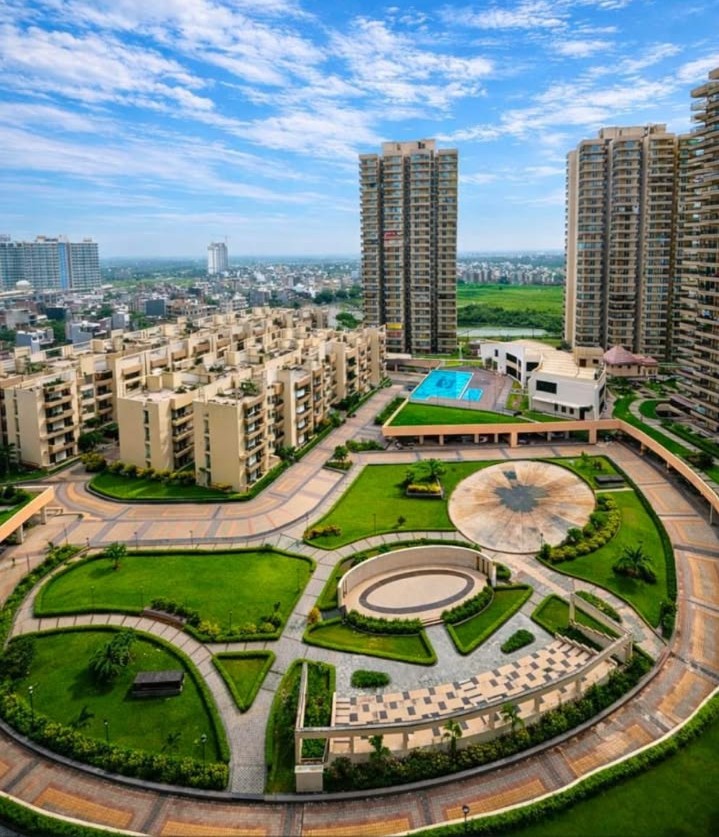
The Gurgaon market in 2026 continues to be driven by infrastructure, premium housing demand, and strong end-user participation. Luxury and upper-mid-segment homes are witnessing significant traction, while New Gurgaon and Dwarka Expressway remain among the most discussed investment corridors. Recent reports indicate sustained demand, healthy absorption rates, and continued appreciation in infrastructure-linked sectors.
For first-time buyers, sectors in New Gurgaon—including the 80–95 belt—remain attractive due to a combination of improving connectivity, growing residential communities, and comparatively better value when compared with more mature micro-markets.
The key takeaway is simple: buyers are no longer purchasing homes solely based on square footage. They are buying future connectivity, lifestyle ecosystems, and long-term growth potential.
- Purchasing based purely on emotions.
- Stretching finances beyond comfortable limits.
- Ignoring legal due diligence.
- Overlooking future infrastructure plans.
- Choosing amenities over location.
- Underestimating maintenance and ownership costs.
- Failing to research the developer thoroughly.
- Following market hype without personal financial planning.
Avoiding these mistakes can save years of financial stress and significantly improve your ownership experience.


Buying your first home is about much more than owning real estate. It is about building stability, creating wealth, and securing your future.
The most successful homebuyers are not necessarily those who buy the most expensive property—they are the ones who make informed decisions based on location fundamentals, financial discipline, developer credibility, and future growth potential.
As Gurgaon continues evolving through new infrastructure, expanding business districts, and premium residential development, first-time buyers have access to opportunities that could shape their financial future for decades.
The question is: Are you buying a home for today, or are you buying an asset that will grow with you over the next ten years?