The next decade of wealth creation in Indian real estate may come from cities that most investors are only beginning to notice.
Across India, investors are actively searching for the next big opportunity. Cities such as Indore, Jaipur, Lucknow, and Dholera are attracting attention due to rapid infrastructure development, industrial growth, and increasing government investments. These emerging markets promise affordability and future appreciation, making them attractive to investors looking to enter early.
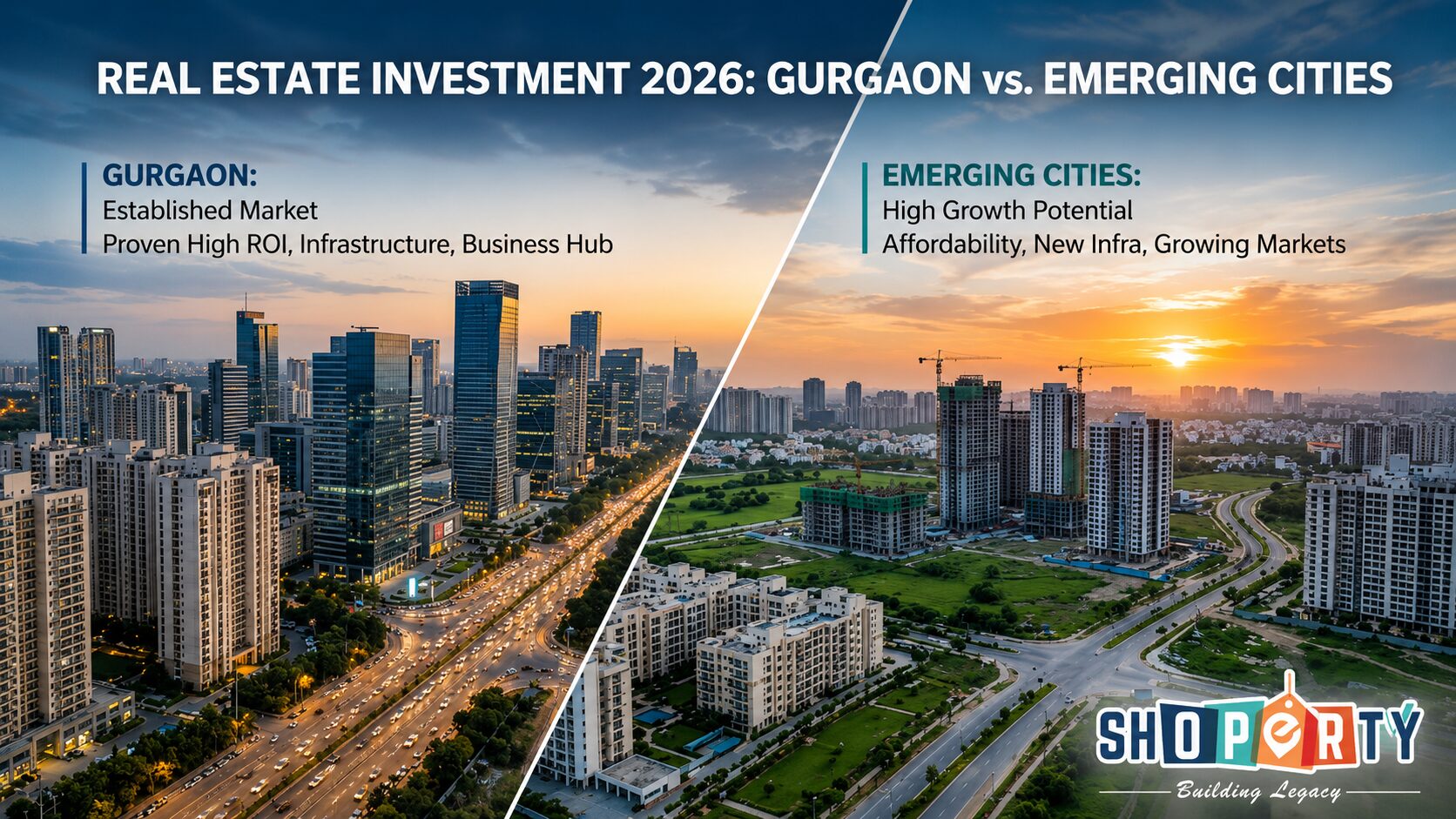
However, while these cities are building the foundation for future growth, Gurgaon continues to be one of India’s most established and high-performing real estate markets. With world-class infrastructure, a thriving corporate ecosystem, strong rental demand, and a proven track record of appreciation, Gurgaon remains a benchmark against which many emerging cities are measured.
So where should investors put their money in 2026? Should they chase future opportunities in emerging cities or invest in a market that has already demonstrated consistent growth and resilience? Let’s take a closer look.
What Defines a Great Real Estate Investment Market?
Before comparing Gurgaon with emerging cities, it is important to understand the factors that drive successful real estate investments. The strongest markets are not built overnight. They are supported by a combination of infrastructure, employment generation, population growth, connectivity, and economic activity.
Cities that attract businesses naturally attract professionals, which increases demand for housing, retail spaces, offices, and commercial developments. Infrastructure projects such as expressways, metro networks, airports, and industrial corridors further enhance accessibility and boost property values over time.
The most successful real estate markets combine all these factors simultaneously. This is precisely how Gurgaon transformed itself into one of India’s most desirable investment destinations, and it is the same formula that many emerging cities are trying to replicate today.
India’s economic expansion is no longer limited to traditional metropolitan regions. Government initiatives, industrial corridors, smart city developments, and manufacturing investments are creating growth opportunities across multiple Tier-2 and developing cities.
Cities such as Indore, Jaipur, Lucknow, Surat, and Dholera are witnessing increasing investor interest because of their lower entry costs and long-term growth potential. Many of these markets are experiencing improvements in connectivity, industrial development, and urban infrastructure that could support future property appreciation.
For investors with a long investment horizon, these cities offer the opportunity to enter relatively early in their growth cycle. However, the key challenge remains identifying which cities will successfully convert infrastructure investments into sustained economic activity and real estate demand.
The Rise of Emerging Cities in India
Gurgaon: A Market Built on Proven Growth
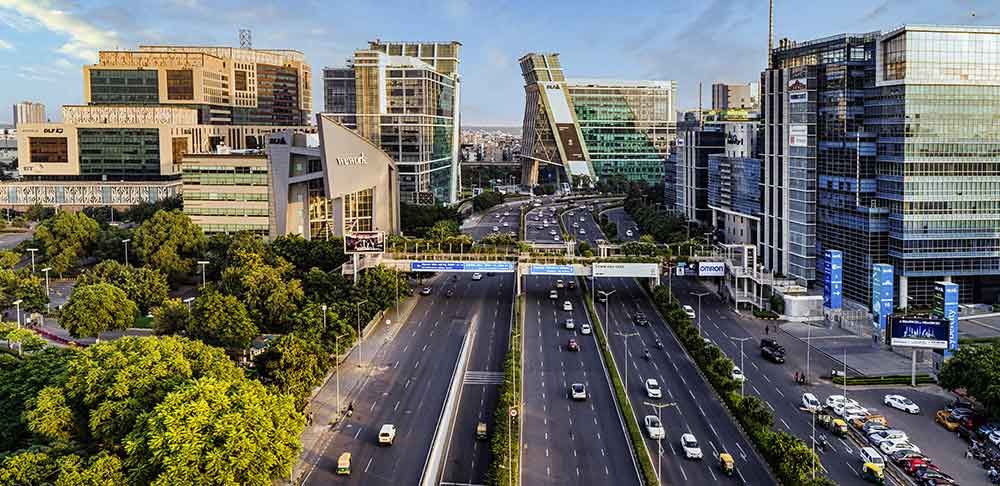
Unlike emerging cities that are still developing their economic foundations, Gurgaon has already established itself as one of India’s most dynamic real estate markets. Over the past two decades, the city has evolved into a global business destination and a preferred residential hub for professionals, entrepreneurs, and multinational corporations.
The presence of major corporate offices, Global Capability Centers (GCCs), technology companies, and financial institutions has created a strong employment ecosystem. This consistent job creation has generated sustained demand across residential, commercial, retail, and mixed-use developments.
For investors, this means Gurgaon offers something many emerging markets cannot: a proven growth story supported by real economic activity rather than future projections alone.
Infrastructure is often the biggest catalyst for real estate appreciation. Emerging cities are investing heavily in roads, industrial corridors, logistics hubs, and urban development projects. These investments are expected to support long-term growth, but many projects are still in various stages of implementation.
Gurgaon, on the other hand, is already benefiting from large-scale infrastructure improvements. The Dwarka Expressway has transformed connectivity between Delhi and Gurgaon, creating one of the most active real estate corridors in the country. The Southern Peripheral Road (SPR), Golf Course Extension Road, and metro connectivity continue to strengthen the city’s accessibility and investment appeal.
For investors, this distinction is important. Emerging cities offer the possibility of future infrastructure-led growth, while Gurgaon offers the advantage of investing in a market where much of that infrastructure is already operational and driving demand.
Infrastructure: Emerging Potential vs Existing Excellence
Employment Generation and Economic Activity
One of the biggest drivers of real estate demand is employment. Without job creation, long-term property appreciation becomes difficult to sustain. Emerging cities are attracting manufacturing facilities, industrial parks, and technology investments, which could create future employment opportunities.
Gurgaon already possesses one of India’s strongest employment ecosystems. Thousands of professionals relocate to the city every year to work in technology, consulting, finance, manufacturing, and multinational corporations. This continuous influx of talent fuels demand for housing, rental properties, and commercial developments.
The city’s position as a major business hub provides investors with confidence that real estate demand is supported by strong economic fundamentals rather than speculative market activity.
Many investors focus solely on appreciation while overlooking the importance of rental income. A property that generates consistent rental demand can provide regular cash flow while also benefiting from long-term value growth.
Emerging cities may offer appreciation potential, but rental demand often takes time to mature as employment ecosystems develop. Gurgaon, by contrast, benefits from a large population of working professionals, expatriates, corporate executives, and business travelers.
This strong tenant base supports both residential and commercial rental markets. Investors seeking a combination of rental income and capital appreciation often find Gurgaon particularly attractive because it delivers on both fronts.
Rental Demand: A Critical Investment Advantage
Luxury Real Estate: Where Gurgaon Leads
Another significant advantage Gurgaon enjoys over most emerging cities is its luxury real estate segment. The city has become a destination for premium residential developments, branded residences, luxury apartments, and integrated townships.
Areas such as Golf Course Road, Golf Course Extension Road, and sectors along the Dwarka Expressway continue to attract high-net-worth individuals and affluent buyers seeking world-class amenities and connectivity.
While emerging cities are developing modern residential projects, very few currently offer the depth, scale, and sophistication of Gurgaon’s luxury housing market. This positions Gurgaon as one of India’s most attractive destinations for premium real estate investments.
Gurgaon’s transformation offers valuable lessons for investors evaluating emerging markets. The city’s success was not driven by speculation alone. It was built on infrastructure development, corporate investment, employment generation, and continuous urban expansion.
The same factors that fueled Gurgaon’s rise are now visible in several emerging cities. Investors should therefore focus on markets where infrastructure projects are accompanied by strong economic activity and business investment.
The cities most likely to succeed in the future are those that replicate Gurgaon’s formula of creating jobs, attracting businesses, improving connectivity, and supporting sustainable urban growth.
What Emerging Cities Can Learn From Gurgaon's Success Story
So, Where Should Investors Put Their Money in 2026?
The answer ultimately depends on an investor’s goals, risk tolerance, and investment horizon. Emerging cities can offer attractive entry points and the possibility of substantial future appreciation. For investors willing to take a long-term view and accept higher uncertainty, these markets may provide exciting opportunities.
However, investors seeking a combination of proven appreciation, strong rental demand, world-class infrastructure, and economic stability often find Gurgaon to be the more compelling option. The city continues to attract businesses, professionals, and developers, ensuring that demand remains resilient even as new markets emerge.
Rather than viewing Gurgaon and emerging cities as competing opportunities, investors should recognize that they represent different stages of the real estate growth cycle. Emerging cities may offer tomorrow’s opportunities, but Gurgaon continues to deliver many of the advantages investors seek today.
Conclusion
India’s real estate landscape is evolving rapidly, creating opportunities across both established and emerging markets. Cities such as Indore, Jaipur, Lucknow, and Dholera are attracting attention due to infrastructure development and future growth prospects. They represent the ambition and potential of India’s next generation of investment destinations.
Yet Gurgaon remains a market with advantages that few cities can currently match. Its mature infrastructure, corporate ecosystem, strong rental demand, premium developments, and consistent appreciation have made it one of the country’s most trusted real estate investment destinations.
While many emerging cities aspire to become the next Gurgaon, investors today still have the opportunity to participate in Gurgaon’s ongoing growth story. The question is: are you willing to wait for another city to become Gurgaon, or would you rather invest in a market that is already leading India’s real estate transformation?